
Sun City Window Repair Under Siege: The Engineering Reality of Desert Heat, Silica Wind, and Monsoon Mud on El Paso Homes
A field engineer’s breakdown of why window frames, tracks, and dual pane seals fail differently in the Chihuahuan Desert, and what actually restores them.
There is a reason El Paso earned the nickname Sun City, and if you have lived here through even one full year, you already know it is not just a marketing phrase. The Franklin Mountains catch the first light of morning almost every single day of the year, the sky stays a hard, cloudless blue through most of the summer, and the light bouncing off the Chihuahuan Desert floor has a clarity you genuinely cannot find in more humid parts of Texas. It is a beautiful place to own a home. It is also, from a pure building science standpoint, one of the more punishing environments in the state for a residential window assembly to survive in.
Most homeowners do not think about their windows as engineered systems until something goes wrong, a pane that will not seal, a track that grinds instead of glides, a corner of glass that has gone permanently hazy. In El Paso, those failures tend to show up faster and more predictably than in milder climates, because three distinct environmental forces are working against the glazing assembly at the same time: abrasive wind driven silica, extreme high altitude thermal cycling, and late summer monsoon silt that turns years of settled dust into a genuine mechanical hazard. Add rising peak summer electricity costs on top of that, and a compromised window stops being a minor cosmetic issue and starts being a real, ongoing drain on a household’s budget.
This piece is written the way we approach every service call, starting from the actual physics of what is happening at the window plane, not a generic list of tips. Whether your home sits up against the Franklin Mountains foothills, out toward the Westside, deep in the Eastside, down in the Lower Valley, or further out in Horizon City or Socorro, the mechanisms described below are shaping your windows right now, whether you have noticed the symptoms yet or not.
Section 1: The Micro Abrasive Assault of Desert Wind Storms
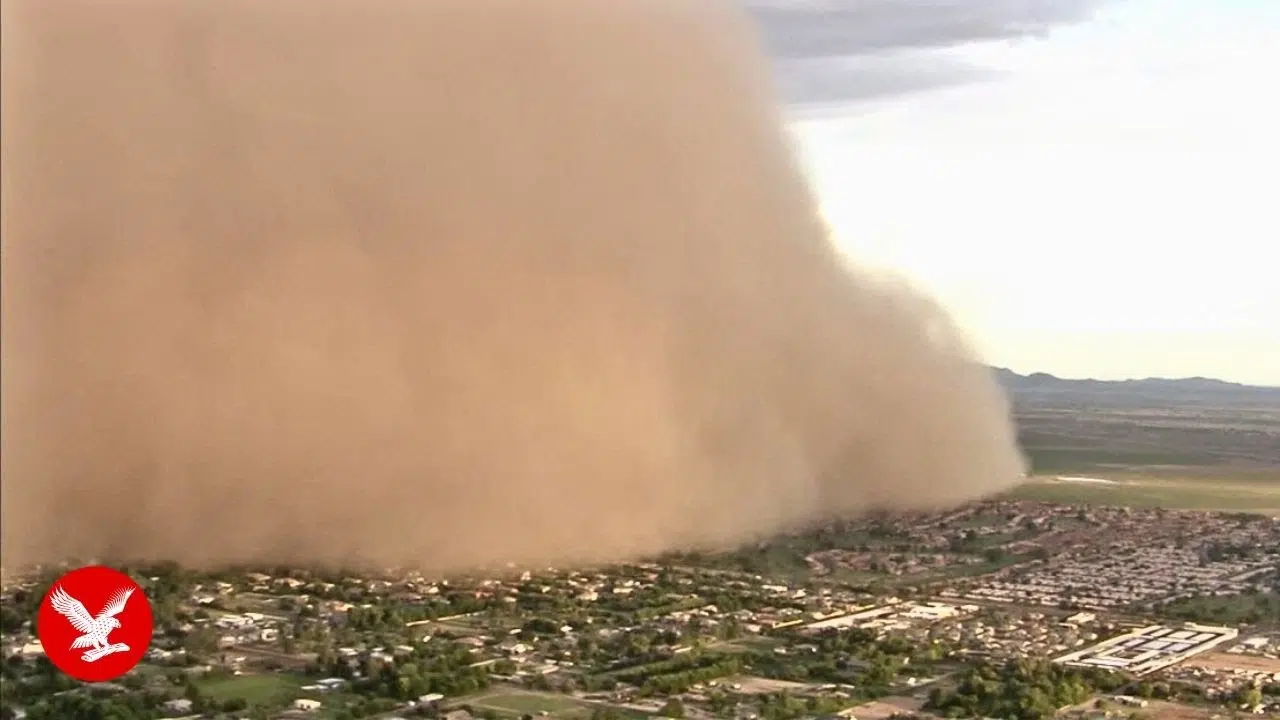
Spring in El Paso brings some of the highest sustained wind events anywhere in Texas, and those winds are not carrying ordinary dust. They are carrying fine, sharp edged silica particles lifted straight off the Chihuahuan Desert floor, and those particles behave almost exactly like a low grade abrasive compound the moment they make contact with a moving mechanical surface.
Window tracks and balance channels are precision machined to allow smooth, controlled movement, whether that is a vertical double hung sash or a horizontal sliding panel. Silica particles that settle into that channel do not just sit there passively. Every time the window opens or closes, that grit gets ground directly between the moving surfaces, acting exactly like sandpaper on the track’s finish and on the rollers or balance mechanism riding inside it. Over repeated cycles, this accelerates wear on components that were never rated for constant abrasive contact, and it is the single most common reason a previously smooth operating window in an El Paso home starts to bind, stick, or require real force to open.
The problem compounds further once monsoon season arrives in late summer. Those same accumulated silica deposits, sitting quietly in the track after months of dry wind events, meet sudden, intense convective rainfall, and the result is not simply wet dust. It becomes a thick, adhesive muck that jams sliding mechanisms outright and, worse, backs up at the window sill, creating standing water conditions the sill was never designed to handle for extended periods. Homeowners who have never had a water intrusion issue in the dry months often see their first sill staining or interior water damage appear during that first serious monsoon storm of the season, precisely because the track was never cleared of the spring’s accumulated grit.
This is also where glass surface integrity becomes a real concern, not just hardware function. Sustained, high velocity sand exposure over years produces a genuine micro etching effect on exterior glass surfaces, particularly on west and south facing exposures that catch the brunt of spring storm systems. That etching is subtle at first, often mistaken for simple dirt buildup that will not fully clean off, but it is a permanent alteration to the glass surface itself, one that gradually reduces optical clarity and can very slightly compromise the surface’s original coating performance on low emissivity glass.
Section 2: The Physics of High Altitude Solar Pumping
El Paso’s elevation and desert atmosphere create a thermal cycling pattern that is genuinely more extreme than what most Texas cities experience, and this matters enormously for anyone dealing with residential window glass replacement or trying to understand why their dual pane units keep failing years before they should.
At altitude, with far less atmospheric moisture to diffuse incoming solar radiation, daytime surface temperatures on a west facing window can climb dramatically higher than the surrounding air temperature suggests, sometimes by a very wide margin on a clear July afternoon. Once the sun drops behind the Franklins, that same surface can lose heat rapidly, since the dry desert air offers little insulating effect after dark. The result is a daily thermal swing at the glass surface that is measurably more aggressive than what similar homes experience in more humid, cloud buffered regions of the state.
This matters because a modern Insulated Glass Unit, the IGU sitting inside your dual pane window, depends on a precisely engineered dual sealant system to maintain its performance. The primary seal, typically a polyisobutylene compound chosen specifically for extremely low gas and moisture permeability, is what actually keeps the argon fill inside the sealed cavity and keeps atmospheric humidity out. A secondary structural sealant, usually silicone, provides the mechanical strength holding the spacer and glass assembly together under physical stress. Building scientists refer to the repeated expansion and contraction of the trapped gas fill under aggressive daily heat swings as solar pumping, and it behaves almost exactly like a tiny bellows working against that primary seal, thousands of cycles over the unit’s service life.
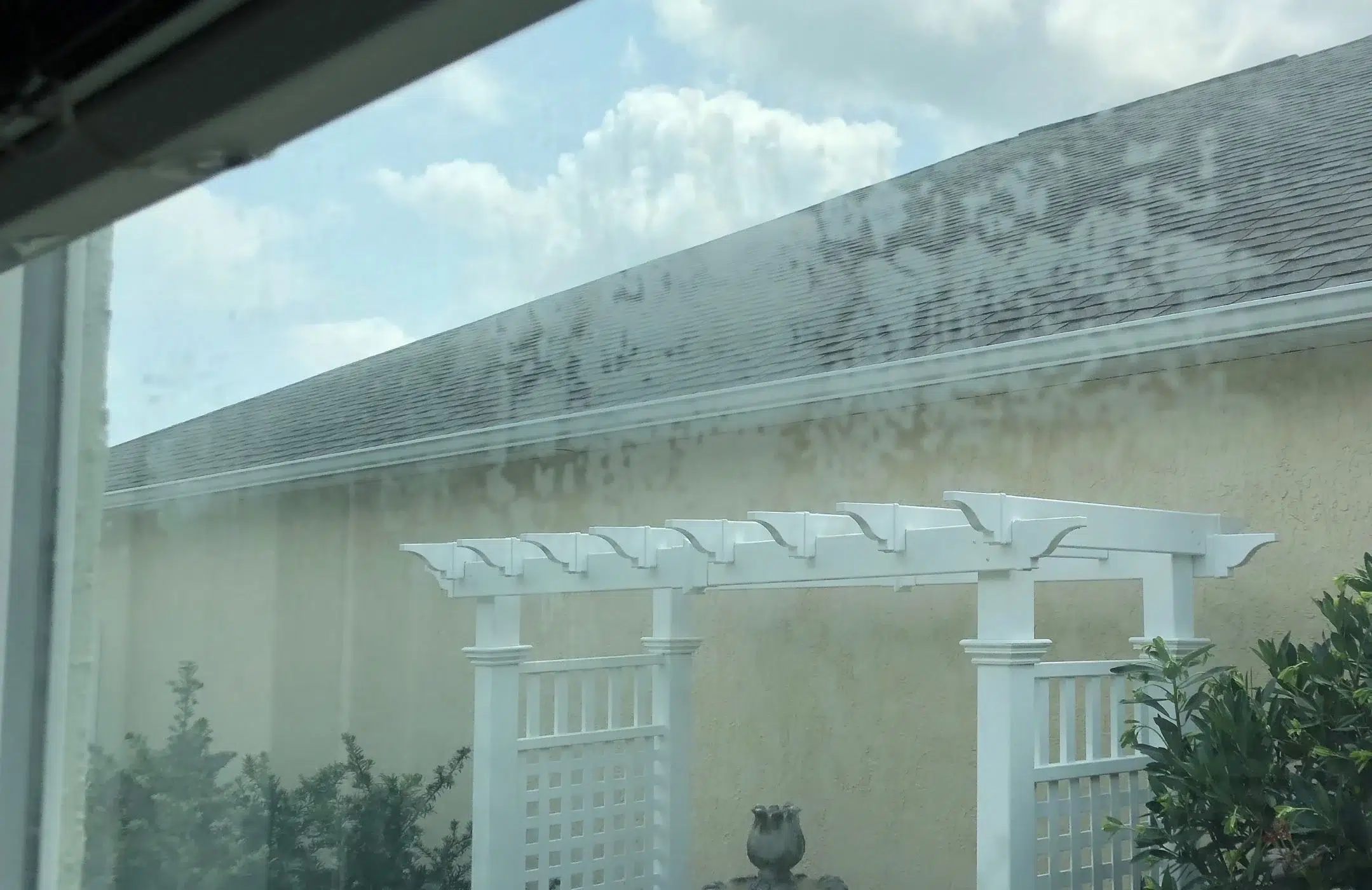
In a high altitude, high thermal swing environment like El Paso, that pumping action accelerates seal fatigue considerably faster than in milder climates. Micro fractures develop in the primary butyl seal well before they become visible, and moisture begins migrating into the sealed cavity faster than the internal desiccant, the small moisture absorbing material packed into the spacer channel, can manage. Once that desiccant reaches saturation, the classic symptom appears: a persistent haze between the panes that will not wipe away no matter how hard you try, because it is trapped inside a sealed space you cannot physically reach. This is precisely why so many El Paso homeowners ask why do double pane windows fog up in El Paso specifically, and the honest answer is that the climate itself is actively working against that seal every single day, far more aggressively than most manufacturers’ standard testing conditions ever anticipated.
Section 3: Authoritative DIY Diagnostic Checklists
Before scheduling a service visit, a homeowner can gather genuinely useful diagnostic information with a few simple, methodical checks.
Visual Frame and Track Check
- Inspect the track for visible silica buildup or compacted grit, particularly after a recent spring wind event or a monsoon storm.
- Check the frame corners for hairline separation or slight warping, common on west and south facing exposures that absorb the most direct desert sun.
- Look for etched or hazy patches on the exterior glass surface that do not clear with normal cleaning, a sign of long term sand abrasion.
Flashlight Leak Test
- At night, with interior lights off, have someone shine a flashlight slowly along the exterior frame perimeter while you watch from inside a darkened room.
- Any visible light passing through the frame to wall junction indicates a gap large enough to pass both air and, during monsoon rain, water.
Smoke Tracer Test
- With the HVAC system running, move a lit incense stick slowly along the interior sash and frame perimeter.
- Smoke that visibly deflects or gets pulled sideways reveals an active convective air leak, even at points where no gap is visible to the naked eye.
Section 4: Sustainability, Repair vs. Replacement Financials
When a frame remains structurally sound, meaning free of rot, corrosion, or warping severe enough to compromise its integrity, a targeted glass only IGU replacement almost always outperforms a full frame teardown, both financially and environmentally. Tearing out an entire vinyl frame that is otherwise functioning correctly generates a meaningful volume of construction waste that a West Texas landfill then has to absorb indefinitely, while a glass only swap keeps that frame in productive service and directs your repair budget specifically at the component that actually failed. For homeowners weighing the cost to repair warped window frame from desert heat against a full replacement quote, an honest inspection distinguishing genuine frame degradation from a simple seal failure typically points toward the far less expensive, far less wasteful repair path.
Getting a Diagnosis Built for This Climate
Every mechanism described above, silica abrasion, high altitude solar pumping, monsoon silt intrusion, is measurable, not a guess, and diagnosing it correctly is what separates a lasting fix from a repair that fails again within a year. This is the standard our technicians hold every visit to, whether the finding points toward track cleaning and hardware service, a targeted IGU swap, or emergency broken window glass repair El Paso homeowners need handled the same day.
For homeowners across the Franklin Mountains foothills, the Westside, Eastside, Lower Valley, Horizon City, and Socorro dealing with sticking tracks, foggy panes, or a summer electric bill that keeps climbing despite no real change in household habits, our team at the El Paso regional hub brings exactly this kind of climate specific diagnostic approach to every job. Reliable window repair El Paso TX residents can count on starts with an honest look at what the desert has actually done to your specific windows, not a generic estimate built for a different climate entirely.
Windows And Doors Repair LLC
Field engineering approach, real diagnostics, lasting repairs
Address: 8202 Worthington Dr, Houston, TX 77083
Phone: (281) 595-0406
Hours: Monday to Friday, 6 AM to 5 PM